Application Note / 2026-09-07
Gripper Coolant Contact and Material Compatibility Inputs for CNC Machine Tending
A fluid-to-component evidence map keeps the actual fluid, exposure path, material identity, source scope and open disposition traceable.
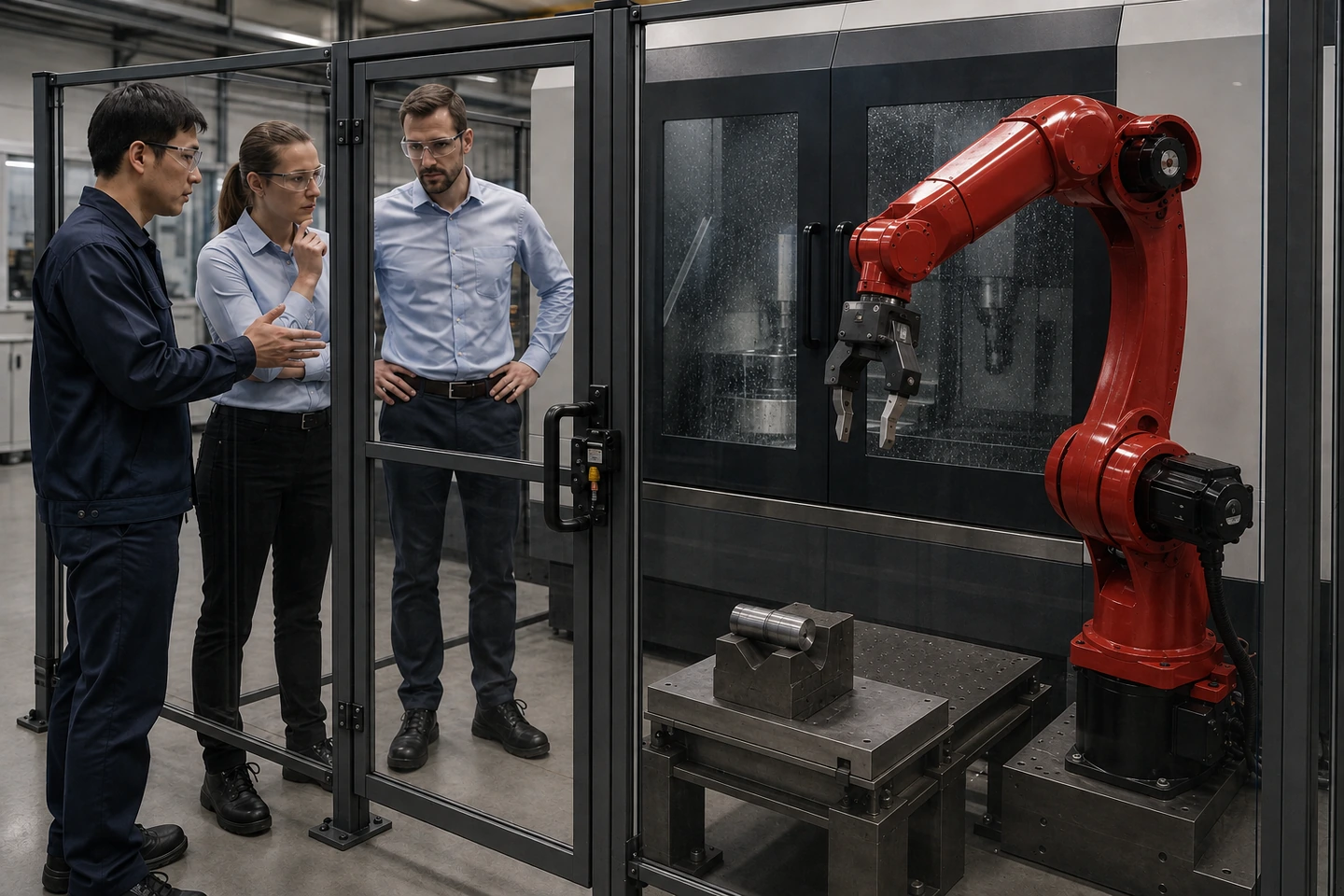 Application scenario illustration
“Water-based coolant” is too broad for a gripper compatibility decision. Start a traceable review with the actual fluid reference, available supplier or SDS data, mix and related cleaners; then record each real exposure condition and each contacted component with a confirmed material or compound identity. Evidence must cover the same fluid set and service conditions. A missing material, condition, or applicable source remains an open decision.
Identify the fluid set before discussing materials
The first field should identify the coolant or process fluid actually in use. Record a supplier or product reference, an SDS link when available, the mix or concentration supplied by the project, and relevant additives or cleaning fluids. A generic fluid family label may help begin a conversation, but it does not establish what is contacting the tool.
Keep unknowns visible. Do not fill a missing formulation, additive package, pH value, or SDS detail from a family name. The point of this record is to connect supplied information to a specific review, not to create a substitute product specification.
For the workpiece and contact context around the installed tool, see CNC loading gripper design inputs. That page helps organize application inputs; it does not assign a coolant-material verdict.
Describe the actual exposure path
Exposure is more useful when it describes what is actually observed or supplied for the project. A component may see splash, mist, immersion, or another path only if that path is present. The record can also hold supplied context for temperature, duration or frequency, flow or pressure, drying or residue, and the cleaning sequence.
Those are evidence fields, not values to guess. A dry bench observation does not establish behavior in wet CNC service, and a contained coolant area does not mean every nearby item is exposed in the same way.
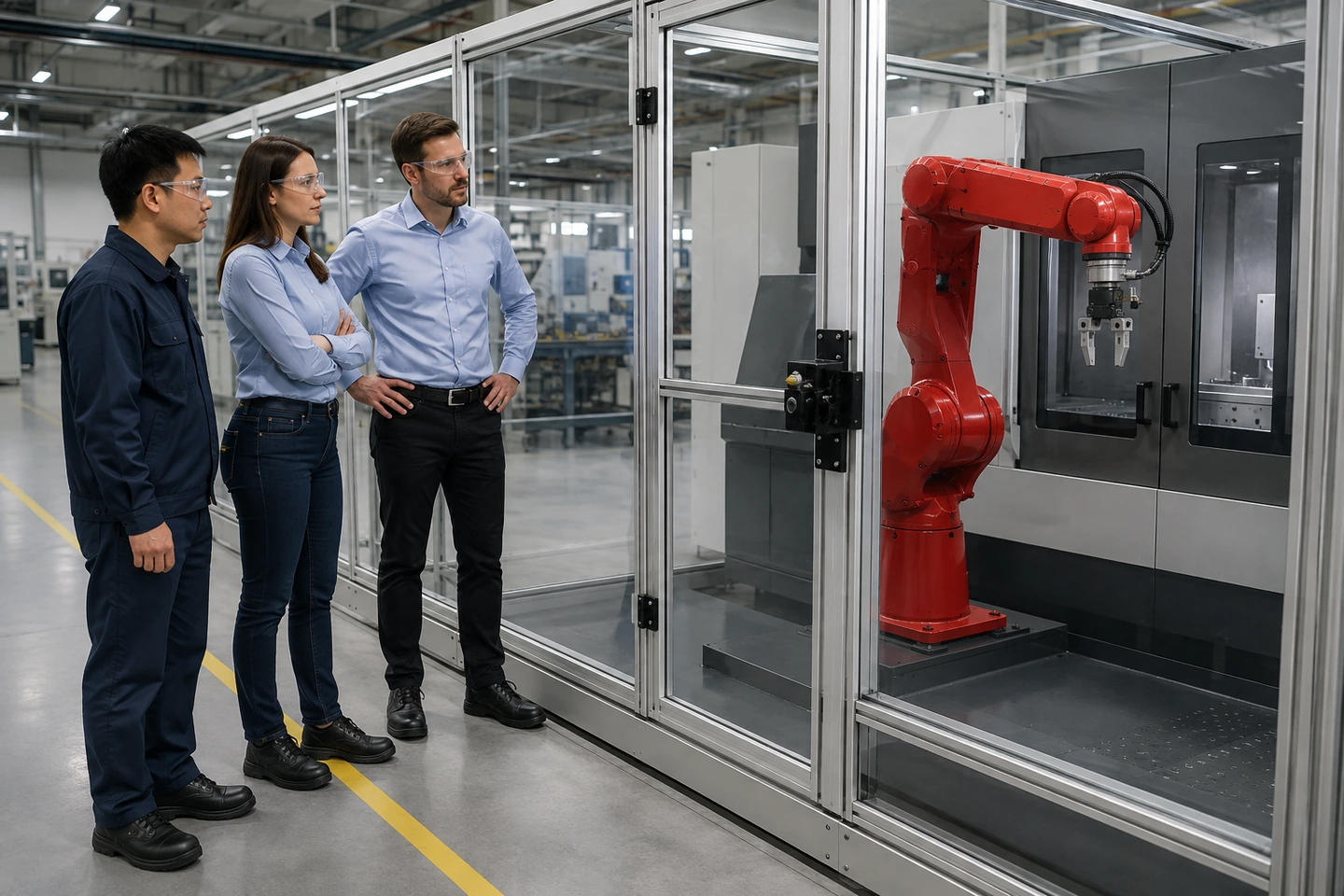 Application scenario illustration
Inventory only components that actually exist and contact fluid
Create one row for each actual item that can contact the fluid: a finger, pad, coating, elastomeric seal, housing, adhesive, fastener, sensor, cable, or connector. These categories are prompts, not a claim that every gripper contains or exposes every item.
For each row, record the confirmed material or compound identity and its exposure path. Do not infer a coating, adhesive, compound, or ingress rating from appearance. When a tool interface changes, the quick-change EOAT interface record can help preserve the actual tool identity and change linkage.
Match evidence to the same material, fluid, and conditions
A compatibility chart can help form questions, especially when it identifies a material family. It cannot approve an entire gripper assembly. The applicable evidence must address the confirmed material or compound, the actual fluid set, and relevant service conditions. If any part of that scope is absent, the outcome remains open for the responsible supplier or project team.
This is why one component's documentation should not be extended to a seal, cable, adhesive, or connector with a different identity or exposure path. The six-axis robot dress-pack routing is a separate reference for routing context, not evidence that a cable or connector is compatible with a fluid.
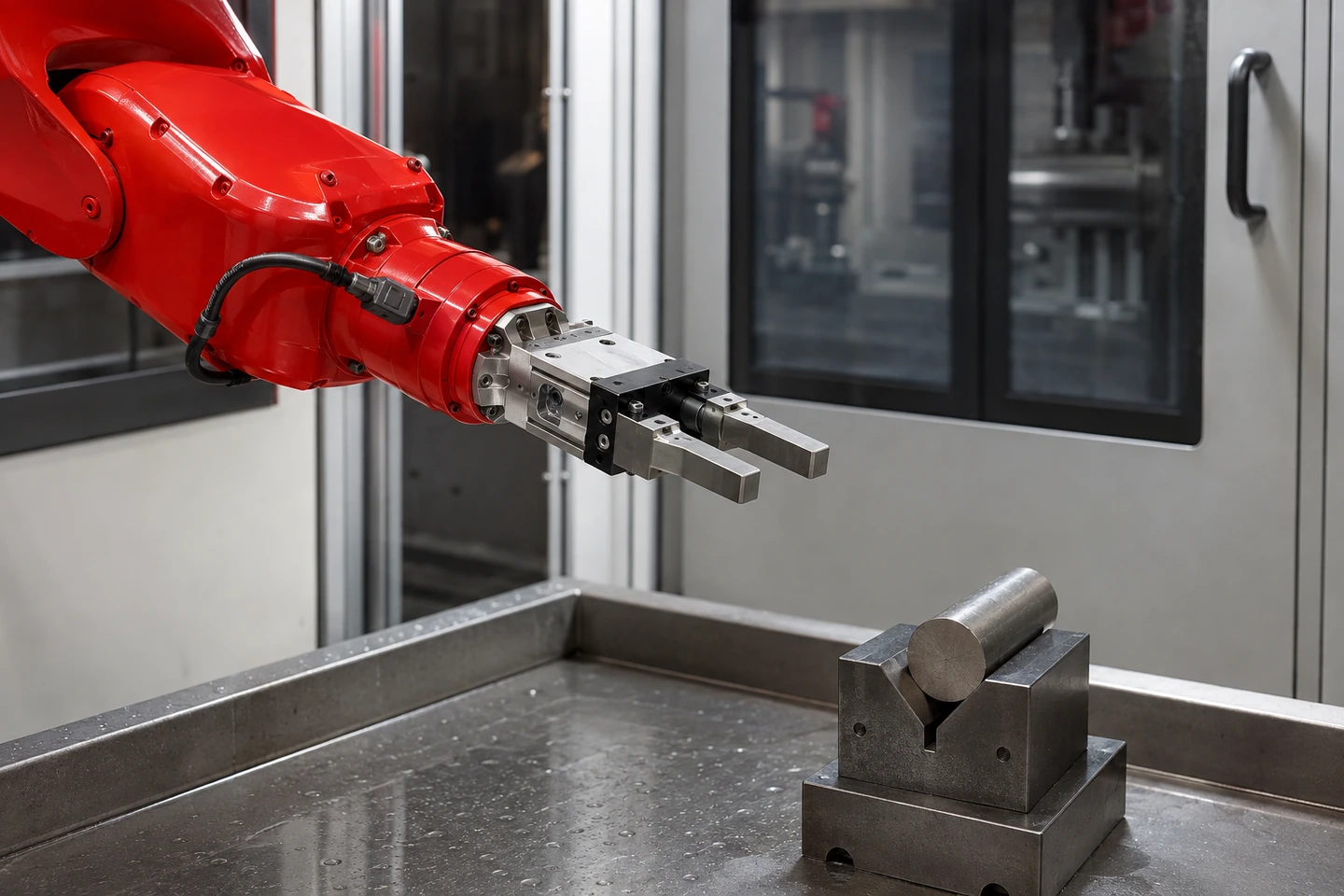 Application scenario illustration
Keep four evidence layers separate
Put vendor documentation, project test conditions, inspection observations, and the authorized disposition in separate columns or linked records. Supplier documentation explains its own scope. Project observations describe what was seen under stated conditions. Neither becomes a service-life, warranty, leak-tightness, grip-performance, safety, or production-release claim by being copied into the checklist.
The part-present sensing record is also separate: a sensing record does not establish coolant compatibility, and this checklist does not establish whether a part is correctly present.
Fillable coolant-contact and material evidence record
| Fluid and verified reference | Actual exposure condition | Contacted component and confirmed material | Applicable evidence, owner and open decision |
|---|---|---|---|
| Product/SDS reference, mix and related cleaner | Splash, mist, immersion, or other real mode; supplied service conditions | One actual finger, seal, coating, adhesive, cable, or connector per row | Exact evidence scope, missing data, and next owner |
| Unknown fluid detail | Record as unknown | Do not infer a material from appearance | Keep the compatibility decision open |
| Confirmed project observation | State observed condition only | Link to the same identified item | Retain separately from vendor evidence and disposition |
This blank template does not provide sample concentrations, temperatures, pressures, durations, or material outcomes. For the broader machine-to-robot information set, use the CNC-to-robot interface checklist alongside, rather than in place of, this fluid-to-component record.
Use open decisions to request the right evidence
An open row is useful when it states what is missing: the fluid reference, a material identity, an exposure condition, applicable manufacturer evidence, or representative project testing. That makes the next owner and requested document clear without presenting a premature compatible/incompatible decision.
For a one-machine application context, the single-machine CNC tending solution provides a broader automation reference. It does not select a material or validate coolant service for a particular tool.
Frequently asked questions
Is “water-based coolant” specific enough?
No. The actual product, mix, and relevant additives or cleaners are needed before evidence can be matched to the fluid set.
Can one chart approve the complete gripper?
No. Each confirmed material and real exposure condition needs applicable evidence. A generic chart cannot establish universal compatibility for the complete assembly.
Should every possible gripper component be marked exposed?
No. Record only items that actually exist and their actual exposure paths. Mark unknown details as unknown instead of inferring them.
Does a dry bench result prove wet CNC service compatibility?
No. The service conditions must match. Keep bench conditions and CNC-service observations separate.
Sources and applicability boundary
- Parker O-Ring Selector: a starting example for gathering seal-selection inputs; it does not cover every gripper material or prove CNC-cell compatibility.
- Trelleborg CIP and SIP media/material guidance: a condition-dependent seal/material example from a food-process context, not a CNC coolant recommendation.
- QIXING CNC loading gripper design: application-review context for workpiece and gripper inputs, without a material rating or project result.
This page organizes evidence. It does not choose a material, issue a compatibility verdict, define a test method, or claim service life, warranty, safety, leak-tightness, grip performance, or production release.
Send coolant-contact inputs
Send the actual fluid reference, available SDS or product data, observed exposure conditions, installed gripper component or material identities, and unresolved evidence gaps to send coolant-contact inputs for a structured QIXING project review.